Beyond the Stereotype: How Premium Companionship Has Redefined Human Connection in the Modern Era
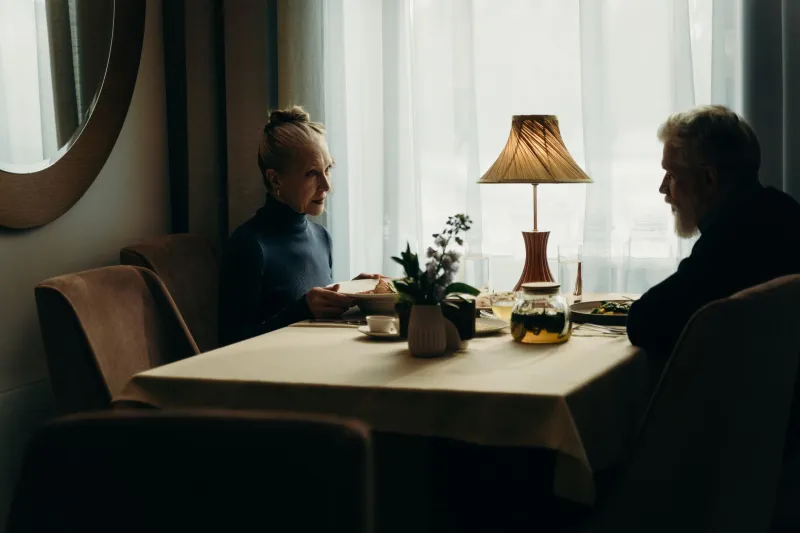
In an era defined by relentless digital noise, algorithmically curated social feeds, and the paradox of being perpetually connected yet profoundly alone, the question of authentic human connection has never carried more weight. Across the United States, a quiet but significant cultural shift is underway—one that is reshaping how individuals understand companionship, intimacy of the emotional kind, and the legitimate value of shared presence.
At Riti Mescort, we occupy a unique vantage point within this evolving landscape. Our platform serves clients who are thoughtful, discerning, and increasingly articulate about what they seek. What emerges from that perspective is a portrait of companionship that defies easy categorization.
The Loneliness Epidemic as Context
To understand why premium companionship has grown into a sophisticated, curated industry, one must first reckon with the social conditions that have given it momentum. The U.S. Surgeon General's 2023 advisory on the loneliness epidemic was not merely a public health footnote—it was a landmark acknowledgment that social isolation has reached crisis proportions. Roughly half of American adults report measurable feelings of loneliness, and that figure spans every demographic bracket, from young professionals in Manhattan to recently retired executives in suburban Atlanta.
This is not a problem that dinner delivery apps or video calls can fully resolve. Human beings are wired for in-person presence—for the subtle cues of facial expression, the warmth of physical proximity, and the particular quality of attention that another person can offer when they are genuinely, unhurriedly present. Premium companionship, at its most refined, provides precisely that.
What Clients Are Actually Seeking
The popular imagination tends to flatten the motivations of those who engage companion services into a single, reductive narrative. The reality, as any candid conversation with experienced companions will confirm, is considerably more layered.
A significant portion of clients are professionals whose demanding schedules have eroded their social networks. They may attend a gallery opening, a corporate dinner, or a charity gala and find that arriving alone carries a social cost they would prefer to avoid. For these individuals, a poised, culturally fluent companion who can navigate sophisticated environments is not a luxury—it is a practical solution to a genuine professional challenge.
Others are navigating life transitions: divorce, relocation, bereavement, or the particular isolation that can follow retirement. These individuals are not seeking anything illicit; they are seeking the experience of being accompanied, listened to, and treated with warmth by someone who is fully present and professionally committed to that interaction.
Still others are managing social anxiety. The structured, clearly defined nature of a companion engagement can actually reduce the psychological pressure that informal social situations generate. Knowing the parameters of an interaction—its duration, its setting, its expectations—allows some clients to engage more authentically than they might in unscripted social environments.
The Evolution of the Companion's Role
Just as client motivations have grown more sophisticated, so too has the professional identity of the companion. The premium end of today's market is populated by individuals who bring genuine intellectual curiosity, cultural fluency, and interpersonal intelligence to their work.
Many companions on platforms like Riti Mescort are multilingual, well-traveled, and conversant across a broad range of subjects—from contemporary art and financial markets to culinary culture and global politics. They approach their engagements with the professionalism of a skilled service provider and the attentiveness of someone who takes genuine interest in the person across from them.
This is not performance. The most sought-after companions in the premium market are those who have cultivated authentic curiosity and empathy as professional assets. Clients can invariably distinguish between manufactured warmth and the real thing, and the market rewards authenticity accordingly.
Emotional Intelligence as a Core Offering
Perhaps the most underappreciated dimension of premium companionship is the emotional intelligence it demands. A skilled companion reads a room, adjusts their conversational register, and offers the kind of attentive listening that has become vanishingly rare in daily American life.
In a culture that prizes productivity and efficiency, the simple act of being genuinely listened to—without interruption, without distraction, without the implicit pressure to reciprocate immediately—can be quietly transformative. Clients frequently describe their engagements not primarily in terms of what they did, but in terms of how they felt: seen, respected, at ease.
This emotional dimension is what separates a premium companionship experience from a transactional one. It is also why clients who engage with high-caliber companions through curated platforms tend to return—not out of dependency, but out of recognition that this quality of attention is genuinely rare and genuinely valuable.
Discretion as a Foundation of Trust
For premium companionship to function as a legitimate social service, discretion is not optional—it is foundational. Clients across the United States who engage companion services often occupy positions of professional or public visibility. The expectation of absolute confidentiality is not a request; it is a baseline requirement.
Reputable platforms understand this implicitly. At Riti Mescort, the architecture of our service—from communication protocols to booking procedures—is designed to protect the privacy of both clients and companions as a matter of professional principle. This mutual commitment to discretion is itself a form of respect, and it is what allows the trust necessary for genuine connection to develop.
Companionship in the Broader Cultural Conversation
It is worth noting that the cultural conversation around companionship services is gradually maturing. As mainstream media has begun engaging with the loneliness epidemic more seriously, and as broader social discourse has grown more attentive to the legitimacy of non-traditional social arrangements, premium companionship is increasingly discussed with the nuance it warrants.
The clients who engage these services are not outliers or eccentrics. They are, in many respects, ahead of a cultural curve—willing to be honest about a human need that many others feel but few openly acknowledge.
A Legitimate Response to a Real Need
What the companionship industry offers, at its best, is a professionally structured response to one of the most universal of human needs: the need to be accompanied through life by someone who is present, attentive, and genuinely engaged.
The premium segment of this market—the segment that Riti Mescort is committed to serving—approaches that need with seriousness, care, and a deep respect for the dignity of everyone involved. In that sense, the evolution of companionship is not merely a story about an industry. It is a story about what human beings require to flourish, and about the creative, sometimes unconventional ways in which those requirements can be met.
For those navigating the question of connection in 2024, the answer may be more accessible—and more legitimate—than they have been led to believe.